


Invokers: Titan Legacy
4.922.00 Reviews
App Specs
- Version
- 0.61.1506
- Updated On
- License
- Free
- Downloads
- 100,000+
- Developer
- HitZone Games Inc.
- Categories
- Role Playing
- Platform
- Android
Screenshots
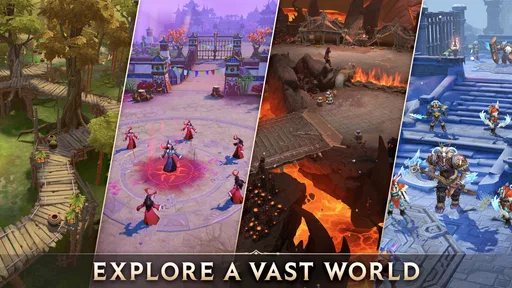
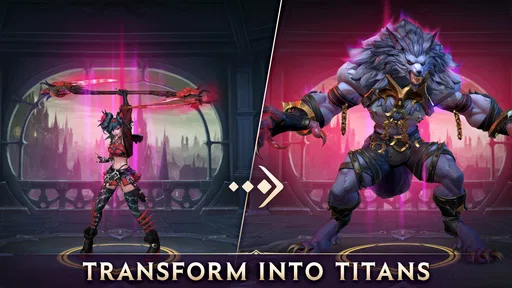
 Analysis by AppCompare
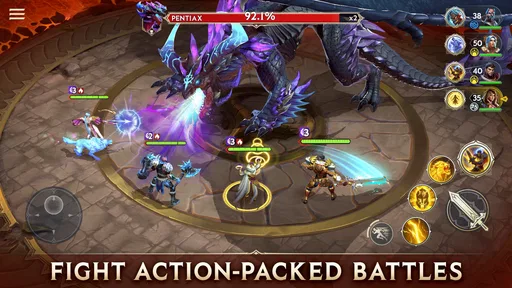
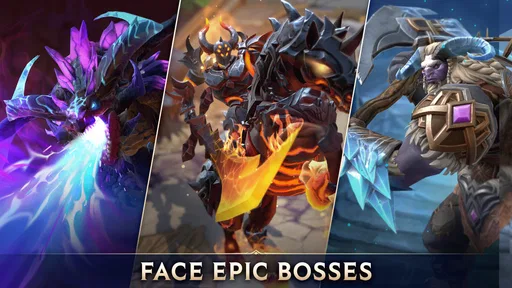
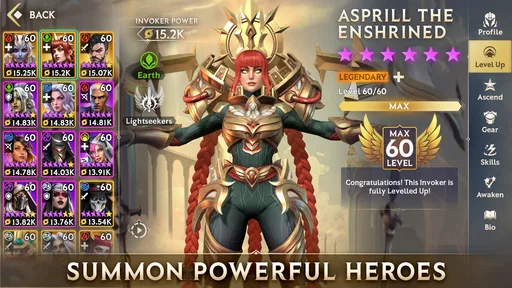
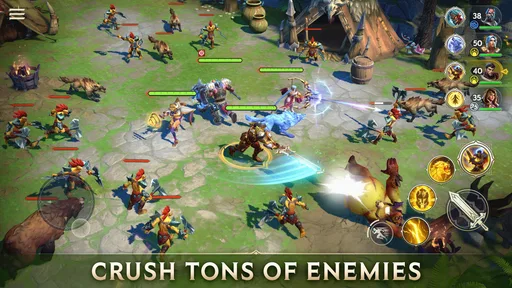
I like role-playing games that give me a reason to think about a team instead of simply tapping through every fight, so Invokers: Titan Legacy has an appealing premise. It is a fantasy action RPG built around collecting heroes and taking them into battles against dragons. That combination gives it a clear hook, but it also sets a familiar challenge: the fun depends on whether building a roster feels rewarding rather than like a chore. My view is that it is worth a look for players drawn to hero collection and fantasy combat, with a few important caveats about what free access does—and does not—tell you about long-term value.
What the free entry point means
I’d start by separating the cost of trying the game from the cost of sticking with it: free entry makes an initial test easy, while the listed purchase range calls for a more deliberate decision later. In this section, I’d focus on how to use that low-commitment start wisely, so you can decide whether the core play is enjoyable before money enters the picture.
There is no upfront purchase
The game is free to download, which makes trying its central loop a low-commitment decision. You do not need to decide in advance that a full-priced RPG is worth your money; you can first see whether assembling a party and taking on dragon encounters suits your taste. For someone fitting games around short breaks, that distinction matters: curiosity does not require an initial purchase.
Free access is not the same as a guarantee of a completely cost-free journey. In-app purchases range from $4.99 to $499.99 per item, a span wide enough that I would treat spending as something to approach deliberately. The presence of purchases alone does not establish what they contain, whether they affect progression, or how necessary they are. I would not assume that paying is required, but I also would not budget around an expectation that purchases are purely cosmetic or always easy to ignore.
My practical advice is to begin without spending and pay attention to how the game feels as your roster grows. If progress remains enjoyable at your own pace, the free entry point has done its job. If you start considering a purchase because a fight feels like a roadblock, pause and decide whether you still enjoy the underlying RPG loop. That separates a considered purchase from one made out of frustration.
Reading the audience signals carefully
The game has a 4.9 average from 278 ratings, and it has passed 100K installs. Those figures suggest that players have been willing to try it and that the rating response is very positive, but they cannot tell me how a particular player will experience its pacing, purchase choices, or combat. The 21 written reviews offer a smaller pool of detailed opinions than the rating count might first imply, so I would read the score as an encouraging sign rather than proof that it will suit everyone.
It is made by HitZone Games Inc. and is listed for a Teen audience. The current version is 0.61.1506, with a minimum OS requirement of 7.1. Those details help establish whether it fits your device and audience, but they do not replace checking the game’s actual feel on your own phone. A role-playing game can sound right on paper and still be a poor match if you prefer direct action over roster decisions, or dislike the collection side of the genre.
Worth Reading Before You Choose

EA SPORTS FC Mobile 26 Is a Bigger Football Game, but It Takes Time

Flipboard Shows What News Apps Must Do Beyond the Feed

Switching to Android Auto Means Rethinking Your Driving Routine

Google Calendar Makes a Crowded Week Easier to Manage

Ludo King Makes the Most of the Minutes Between Plans

Baby Panda World Brings Quick Play to Modern Phones, but Its Game Library Feels Busy
Where the game’s value comes from
For me, the stronger measure of value is whether choosing heroes gives each dragon fight a purpose, rather than how large a collection might become. This section looks at the kinds of decisions that can make the game worth returning to, and how to tell whether its team-building angle is adding enjoyment rather than simply asking for more attention.
Team building gives the fights their context
The most promising part of the concept is the link between collecting heroes and using them in battle. In a dragon-focused fantasy RPG, a fight is more interesting when I have to consider who belongs on the team, not just whether I can keep attacking. That makes roster-building the likely source of much of the game’s replay appeal: a new hero can change the way I think about an encounter, even before I know whether that character is individually powerful.
A useful way to approach a collection RPG is to ask a practical question after each new addition: does this character give me a reason to adjust my lineup, or am I simply accumulating names? If I can connect a hero to a particular battle or team need, collecting feels purposeful. If I cannot, the roster can become a checklist. That is the distinction I would watch for here, especially if the game’s first impression is exciting but the longer-term loop begins to feel repetitive.
When you do reach a difficult encounter, I would first revisit team choices rather than immediately treating a purchase as the answer. Try swapping a hero whose role seems less useful, and compare how the fight feels. This is a general decision-making approach, not a claim about a particular formation system or hidden mechanic; it helps preserve the value of the RPG side by making you test your choices before paying to move past friction.
A convenient fit for small pockets of time
A specific everyday use case is the person who has a little time after work, on a commute, or while waiting for an appointment and wants a fantasy game with a clear next goal. The hero-collection premise gives that player a reason to think about future teams between sessions, while dragon battles supply an obvious focal point when they return. I would find that more appealing than a sprawling role-playing game that expects me to keep track of a large story and many simultaneous tasks during every visit.
There is a trade-off, though. Collection games can make brief sessions feel productive, but they can also encourage a player to check in more often than they really want. I would decide beforehand how much attention I want to give it, then judge whether the game makes that amount feel satisfying. If the fun depends on constant return visits or a long daily routine, it may not be a good match for someone looking for an occasional, self-contained adventure.
For example, if I had ten minutes while waiting for an appointment, I would treat one visit as a chance to focus on a single battle or think through a team choice, rather than expect a complete RPG chapter. That mindset makes the game’s collection angle easier to enjoy without turning every spare moment into a check-in. If even a short pause leaves me feeling that I need to keep returning, I would take that as a sign to choose a more self-contained game instead.
How it compares with familiar role-playing choices
Compared with a conventional single-player fantasy RPG, this game puts the emphasis on collecting a team and using that team in combat rather than presenting itself as a long, character-led journey. That may be a better fit if your favorite part of the genre is experimenting with a roster. If you mainly want a carefully paced story, a fixed hero to inhabit, or a world designed for uninterrupted exploration, a traditional RPG is probably the safer choice.
Against other hero-collection games, the dragon-battle theme gives it a clear fantasy identity, but the theme alone does not settle the question of depth. I would compare it with alternatives by asking how much the roster choices change the way fights play, and whether the free experience remains enjoyable without purchases. Those are more useful measures than simply counting characters or judging a game by how dramatic its premise sounds.
That distinction also helps when deciding what to install first. If I want a quick test of whether I enjoy comparing heroes, a free collection RPG is a sensible experiment. If I already know I dislike roster management, moving to a story-first or action-focused alternative saves time; a fantasy setting by itself will not make the collection loop a better fit.
Tradeoffs worth considering before you commit
A free start does not remove the tradeoffs of a collection-focused RPG, especially if roster management is not what you want from a fantasy game. Here I’d weigh the potential appeal against the practical reasons to choose a more self-contained or story-led alternative, with particular attention to how you respond to purchases and repeated team decisions.
Collection can be a strength or a source of friction
Hero collection naturally appeals to players who like weighing options, developing favorites, and revising a party as challenges change. It is less attractive to anyone who dislikes managing a roster or feels that every new character creates another obligation. Before settling in, consider whether you enjoy the process of deciding who to use as much as the battles themselves. If you only want to control one hero and move through a straightforward campaign, the central appeal here may feel like busywork rather than depth.
Another point to watch is the relationship between challenge and spending. Because purchases are available across a wide price range, I would keep a firm personal limit and avoid buying simply to resolve a moment of impatience. If a tough fight encourages you to experiment with your existing team, it can make the collection loop more satisfying. If it pushes you toward spending before you have decided whether the game deserves that investment, that is a sign to take a break and reconsider.
I would also avoid treating the current version number as a promise of any particular content schedule or future feature. It identifies the version available now, but it does not tell a player how often the game changes or what may arrive later. I would judge the game by what is enjoyable in the version you can actually play, not by plans or expectations that are not established here.
Who is likely to get the most from it
I would recommend giving it a try if you like fantasy settings, enjoy comparing heroes, and find team decisions more satisfying than simply repeating the same attack. It may also suit someone who wants a free starting point before deciding whether to invest time in a collection-focused RPG. The strongest reason to continue is not the promise of owning a huge roster; it is finding that the heroes you choose make the battles more engaging for you.
I would steer away if you strongly dislike in-app purchases appearing in a free game, even when you have not established that they are necessary. The listed range includes items up to $499.99, so players who prefer a single, predictable purchase may be more comfortable with a premium RPG that states its cost upfront. I would also skip it if you want a purely narrative experience or do not want a game whose appeal depends on building a party.
For parents or players choosing a game for a younger audience, the Teen rating is a useful starting point, not a substitute for checking whether its themes and purchase options are appropriate for that individual. The same goes for device fit: the minimum OS requirement is 7.1, but the best decision is to confirm compatibility on the device you plan to use rather than assuming an older phone will run it comfortably.
If you are unsure whether the collection style will hold your attention, I would use the free access to answer that question before investing time or money. Pay attention to whether you enjoy making a team choice even when you are not chasing a new character. That small distinction is a better guide to fit than the fantasy theme alone.
My verdict on whether to try it
My recommendation depends less on the game’s premise than on whether its particular loop fits the way you like to play. The final section brings together the case for trying it, the reasons to hold back, and a simple way to decide whether continuing—or choosing another kind of RPG—is the better use of your time.
Start free, then judge the loop—not the promise
My recommendation is a cautious yes for players who actively enjoy hero collection and fantasy battles. The no-cost entry makes it reasonable to test, and the positive average rating gives it a promising first impression. I would keep expectations focused on the appeal that is actually established: collecting heroes, building teams, and fighting dragons. Whether that remains compelling depends on how much you enjoy roster decisions and whether the free experience feels worthwhile to you.
I would not spend money simply because purchases are offered, nor assume that a high rating settles the question of value. Try the game at no cost, notice whether you look forward to choosing your team, and set a spending boundary before any purchase decision. If the battles and collection already feel rewarding, you have a good reason to continue. If you find yourself wanting a more direct, story-first RPG, choosing a different kind of game is a sensible outcome rather than a missed opportunity.
In short, Invokers: Titan Legacy is most appealing as a free trial of a team-building fantasy RPG, not as an automatic purchase recommendation. I would give it a chance if dragons and roster strategy sound fun, but I would skip spending until the game has shown that its own loop—not the pressure to keep collecting—is what brings me back.
Pros
- Short matches make it easy to play in quick sessions.
- A roster of distinct heroes encourages trying different team combinations.
- Strategic positioning adds depth beyond simply choosing attacks.
- Progression gives you goals to work toward between battles.
- The fantasy setting gives the game a clear
- cohesive identity.
Cons
- Progression may require repeated battles to unlock more options.
- Some encounters can feel difficult without upgrading your heroes.
- A large roster may take time to learn and build effectively.
- Matchmaking quality can affect the challenge of multiplayer battles.
- Frequent play may require a stable internet connection.
FAQs for Invokers: Titan Legacy
What is Invokers: Titan Legacy?
Invokers: Titan Legacy is a fantasy-themed mobile game centered on collecting and using powerful characters known as Invokers. Players build a team, take part in battles, and progress through game modes that may include a story campaign and other challenges. The exact features and availability can vary by platform and version, so check the store listing for current details before downloading.
Is Invokers: Titan Legacy free to play?
The game may be available to download for free, but free-to-play mobile titles commonly offer optional in-app purchases, such as currency, character-related items, or progression boosts. These purchases are not necessarily required to begin playing, though they can affect how quickly you unlock content. Review the app-store listing and your device’s purchase settings, particularly if children will be playing.
Does Invokers: Titan Legacy require an internet connection?
Some mobile games need an internet connection for account access, online battles, events, or synchronization, while other activities may work offline. The available information does not establish which features in Invokers: Titan Legacy can be used without a connection, so it is safest to expect that at least some functionality may require internet access. Check the current store description or in-game notices for confirmation.
Can I play Invokers: Titan Legacy on Android and iOS?
Availability can differ between regions, devices, and store platforms, and a game may not be supported on every version of Android or iOS. Before downloading Invokers: Titan Legacy, search for its official listing in the Google Play Store or Apple App Store and compare the listed requirements with your device. If it does not appear, it may be unavailable in your region or incompatible with your operating system.
What should I check before downloading Invokers: Titan Legacy?
First, confirm that the store listing is official and that your device meets the stated operating-system and storage requirements. Also review recent ratings, update information, privacy details, and any permissions requested. If the game includes online features or purchases, consider your connection and spending preferences. Downloading from the official app store helps reduce the risk of installing an altered or unsafe copy.


